


The Allure of Chance
The psychology behind casino games is deeply rooted in human fascination with chance and uncertainty. Many players are drawn to the thrill of taking risks, often experiencing an adrenaline rush that is both invigorating and addictive. This attraction is not merely about winning or losing; it is about the experience of hope and the possibility of change. The randomness of the outcomes creates a sense of excitement, making the games appealing to a diverse range of individuals seeking an escape from their daily lives, including those who enjoy the online casino nz experience that adds an extra layer of enjoyment.
This affinity for chance also ties back to our neurological wiring. The brain’s reward system is activated when we engage in risk-taking behaviors. Dopamine is released, resulting in feelings of pleasure and satisfaction. This biological response promotes a cycle of behavior where players return to the casino, seeking that euphoric high repeatedly. The bright lights, sounds of winning, and engaging graphics further enhance this experience, effectively conditioning the brain to associate gambling with positive feelings and anticipation.
Moreover, the notion of chance taps into fundamental human desires for control and success. Although the outcomes in casino games are governed by randomness, players often believe they can influence results through strategies or lucky rituals. This belief can lead to a false sense of security, making the games even more irresistible. Understanding this psychological attraction helps to explain why many individuals find themselves drawn to casinos time and again, often in search of that elusive win while ignoring the inherent risks involved.
The Role of Cognitive Biases
Cognitive biases significantly influence how players engage with casino games. One prevalent bias is the illusion of control, where players believe they can affect the outcome of games that are purely based on chance. For example, a player might think that their choice of slot machine or specific betting patterns can sway the odds in their favor. This cognitive distortion can lead to misguided strategies, yet it enhances the gaming experience by instilling a sense of empowerment and agency in the player.
Another common cognitive bias found in gambling is the gambler’s fallacy, where players mistakenly believe that past outcomes will influence future results. For instance, after a series of losses on a roulette game, a player may feel that a win is “due” because of previous results, leading them to bet even more. This mentality can be detrimental, as it encourages players to chase losses, often resulting in greater financial setbacks and emotional distress. Understanding these mental shortcuts can shed light on the complex interplay between behavior and decision-making in the gambling environment.

These cognitive biases are further exploited by casinos through the design of their games and environments. The placement of machines, the use of near-miss scenarios, and the pacing of games are all carefully structured to amplify these biases. By creating situations where players are encouraged to believe they are closer to winning than they actually are, casinos effectively manipulate player behavior, keeping them engaged for longer periods. Recognizing the impact of cognitive biases can provide valuable insights into why players make certain decisions in a casino setting, ultimately shaping their gambling experiences.
The Emotional Rollercoaster
The emotional journey of a casino game is often likened to a rollercoaster, characterized by euphoric highs and devastating lows. Players experience a rush of excitement when they win, often leading to a temporary euphoria that can overshadow rational thinking. This emotional state can compel players to continue gambling, as they chase the thrill associated with winning. The impact of these emotional highs can leave players feeling almost invincible, creating a dangerous cycle of continuous play where logic is overshadowed by the allure of potential winnings.
Conversely, the lows or losses can evoke feelings of frustration, sadness, and even desperation. While some players may accept these emotions as part of the gaming experience, others may feel compelled to gamble more in an attempt to recover lost funds. This phenomenon can lead to a downward spiral where emotional distress drives reckless betting, ultimately resulting in significant financial repercussions. Understanding this emotional landscape is crucial for both players and those seeking to support responsible gambling practices, as it highlights the need for emotional regulation.
This emotional rollercoaster effect is further intensified by social factors, such as the presence of other players and dealers in the casino. The collective excitement or disappointment can amplify an individual’s feelings, creating a shared emotional experience that can be exhilarating or overwhelming. This social aspect not only makes gambling more enjoyable but can also lead to poor decision-making, as players may engage in behaviors influenced by the group dynamics around them. Recognizing the emotional components of gambling helps to illustrate the complexities at play in casino environments, inviting a deeper exploration of player motivations.
The Impact of Design and Environment
The design and environment of casinos are meticulously crafted to enhance the psychological experience of players. From the layout of the gaming floor to the ambient sounds and lighting, every element is strategically planned to maximize engagement. Bright lights, vibrant colors, and enticing sounds create a stimulating atmosphere that draws players in and keeps them immersed. This sensory overload is designed to keep players at the machines and tables for extended periods, often leading them to gamble more than they initially intended in a bid to sustain the excitement.
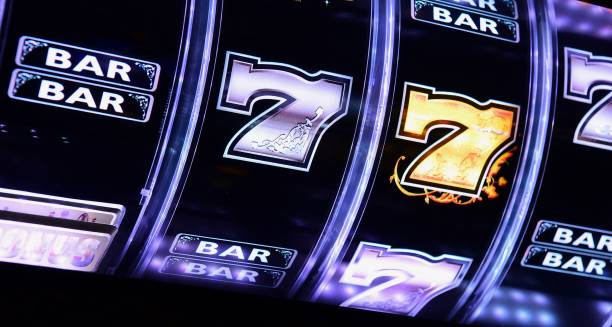
Additionally, the architecture of casinos plays a significant role in their psychological impact. Many casinos are designed without windows or clocks, creating a timeless environment that disorients players and encourages them to lose track of time. This deliberate disorientation contributes to prolonged gaming sessions, as players become unaware of how much time has passed. This element of design is a key factor in the psychology of gambling, as it fosters an immersive experience that can lead to impulsive betting behaviors, further complicating responsible gambling efforts.
The strategic placement of rewards and the use of near-misses are also pivotal in influencing player psychology. When players experience near-wins, they often feel a sense of excitement, which can lead them to continue playing in hopes of an actual win. This phenomenon is reinforced by the understanding that rewards, whether monetary or experiential, can tap into the brain’s reward pathways, driving players to seek out these positive experiences at casinos. By acknowledging the impact of design and environment on player behavior, we can better understand the enticing nature of casino games and the psychological tricks at play.
Responsible Gambling Awareness
As the understanding of the psychology behind casino games evolves, so does the importance of promoting responsible gambling. Recognizing the emotional and cognitive factors that drive players can inform strategies to mitigate risks associated with gambling. Education about the psychological traps that casinos exploit can empower players to make more informed decisions. Awareness campaigns can also emphasize the importance of setting limits and recognizing when to stop, fostering healthier gambling habits that prioritize well-being over thrill.
Support services and resources play a critical role in promoting responsible gambling practices. Many organizations offer tools and advice for those who find themselves struggling with gambling-related issues. These resources can help individuals understand their behaviors, develop coping strategies, and manage their gambling activities in a healthier manner. Increasing accessibility to these resources is essential for addressing the emotional and psychological effects of gambling, ensuring that help is available to those in need.
Furthermore, fostering a supportive community around responsible gambling is vital. Encouraging open discussions about gambling behaviors and experiences can help decrease stigmas associated with seeking help. By highlighting the social aspects of gambling, including support groups and counseling services, we can create a more understanding environment for those affected. Recognizing the psychological complexities of gambling can lead to a more compassionate approach to responsible gambling initiatives, ultimately helping to create safer gaming environments for everyone.